11th Hour Heroics: How Josep Caballé-Domenech Came to Save the Day
May 17, 2023
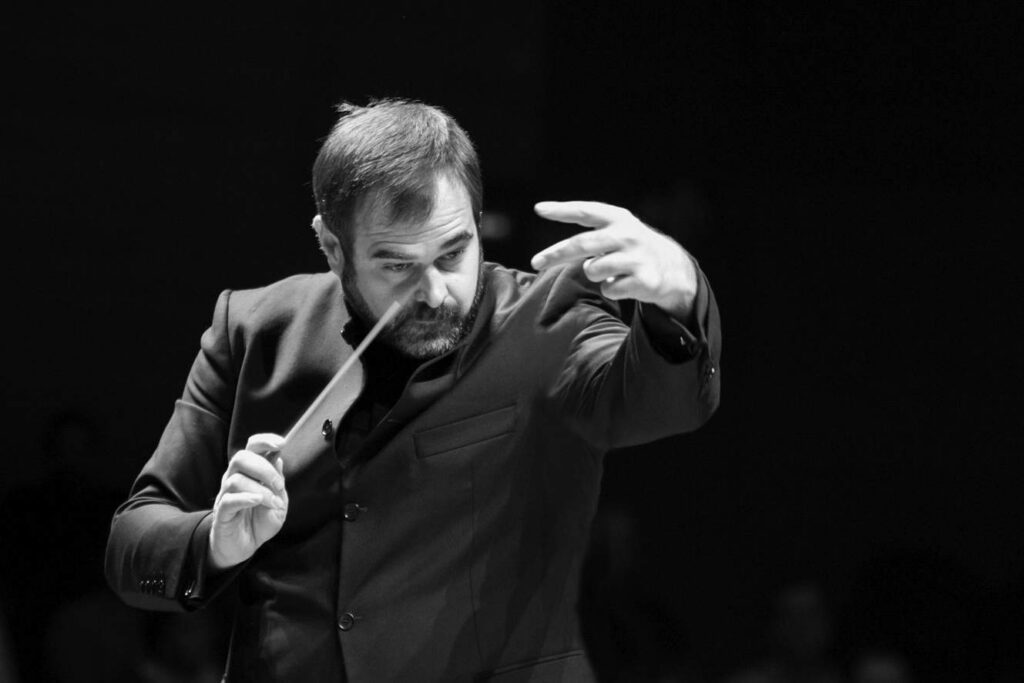
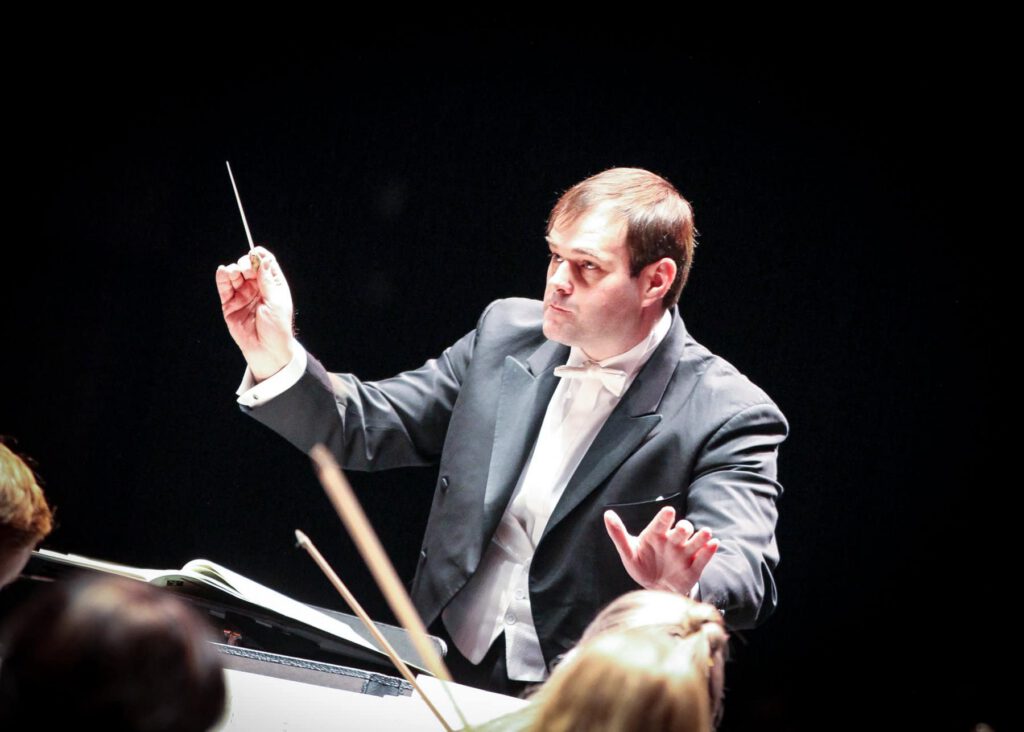
Josep Caballé-Domenech’s rise to the music directorship of the Colorado Springs Philharmonic reads like one of those Hollywood scripts where the talented, but as-yet-unheralded hero arrives and, through a dazzling display of superhuman deeds, wins both eternal fame and the undying affection of those around him.
But the truth is, the factual story of Josep’s arrival wasn’t far from that fictional imagining.
The year was 2010, the setting was Colorado Springs, and the plot of our musical narrative was the unraveling of a classically frightful tragedy.
“A search committee was convened and a process began, which attracted more than 200 applicants from around the world”
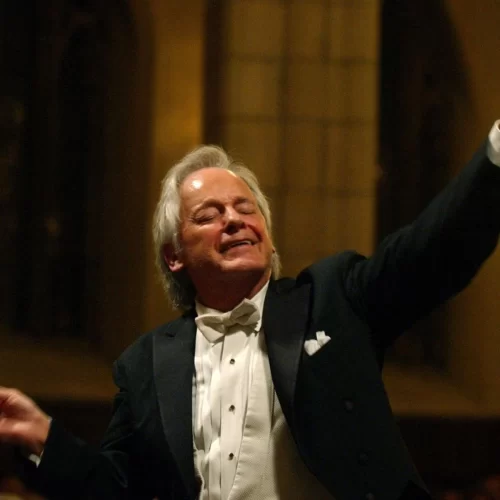
Lawrence Leighton (“Larry”) Smith, the Symphony’s much-beloved conductor, had fallen ill. Too ill, he told Nathan Newbrough, the Philharmonic’s CEO, to fulfill his responsibilities as the orchestra’s music director long term. He would step down in May 2011.
His illness had come as a devastating blow to his friends and colleagues. The community rallied in appreciation. A search committee was convened and a process began, which attracted more than 200 applicants from around the world. Five finalists were selected to make appearances in the 2010-11 season.
Each finalist was given the opportunity to conduct a series of Masterworks concerts, with the prestigious music directorship awarded to the most accomplished among them. Beyond their orchestral chops, the candidates were told, the selection committee would also be considering their savoir-faire (personal dealings with donors, patrons, and fellow musicians) and their ability to connect with the community at large. So if they wanted to prevail, they had better bring their A game.
Lawrence Leighton Smith (1936-2013)
“The Music Director selection committee didn’t know it yet, but they had unearthed, quite by accident, an unexpected gem—Josep Caballé-Domenech.”
Stakes raised, the would-be conductors were plunged, headlong, into the fiery crucible in which true heroes are forged. But as the process sped along according to script, an unexpected problem insinuated itself into the works.
You see, Larry Smith was still continuing to conduct on a reduced schedule. But his medical condition had worsened. He would not be able to participate in a much-anticipated performance in February 2011. Here, as they say in the world of storytelling, is where the plot thickens.
With Smith unable to perform, the Philharmonic had no choice but to embark on a search for a new conductor to fill his shoes for in an important week of rehearsals and concerts.
In what might have been the Philharmonic’s darkest hour, Newbrough made contact with a trusted artist manager in New York.
We’re looking for someone to fill in for an important program just a month from now, Newbrough said to his friend, Do you know anybody who might be interested?
The friend never missed a beat. As a matter of fact, she said, I know just the person.
It was at that moment the narrative changed its dramatic arc and the plot sailed on to its climax. The Music Director selection committee didn’t know it yet, but they had unearthed, quite by accident, an unexpected gem—Josep Caballé-Domenech.
Dude, a musician on the selection committee was heard to gush after witnessing Josep’s first rehearsal, we have to considerthis guy!
Josep Caballé-Domenech, it turned out, was a natural fit for the organization. His chemistry with the musicians was immediate, and reciprocal, and together they would perform a spectacular interpretation of Berlioz’s Symphonie Fantastique.
September 2011 was Josep’s debut as our music director. The weekend’s program showcased Mahler’s 1st Symphony, or Titan, as it’s affectionately known, and the performance, under his
blazing baton, lived up to its name…in classic Hollywood style.